

CKQ Books logoCKQBOOKSTruth · History · Scripture
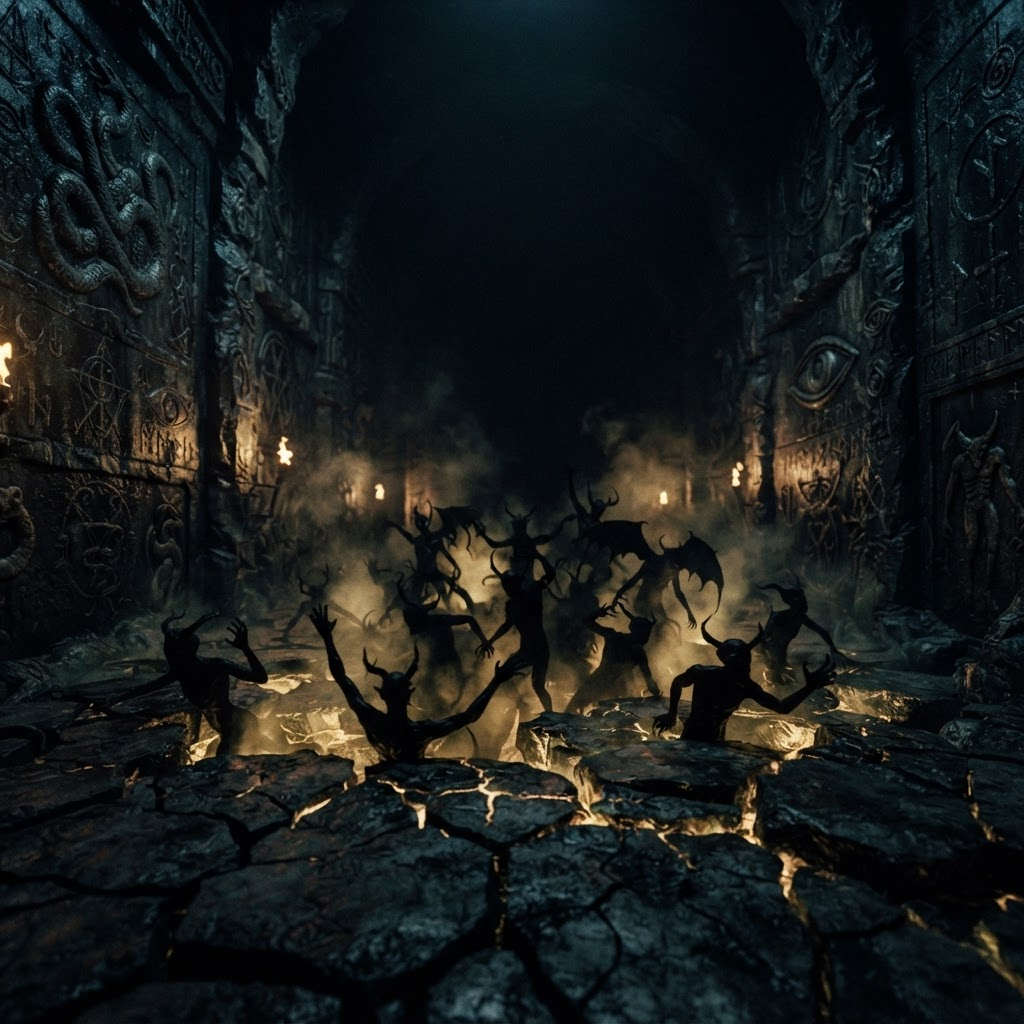
Shadowy demonic figures emerging from ancient stone

Research Index

Demon Glossary

Biblical entities, Ars Goetia names, occult doorways, divination methods, and signs of spiritual oppression — drawn from Scripture, Second Temple sources, and published ministry research.

Try:
Encyclopedia·8 biblical entries·78 Goetia entries·22 doorways·27 divination methods

This glossary is the reference index behind every demon, fallen spirit, and occult practice discussed across CKQBooks — organized for lookup rather than narrative reading. Each entry below cites its Scripture, Second Temple, or scholarly source, and cross-links out to the articles and posts that discuss it in depth. Start with a tab below, or browse everything tagged Demons across the whole site.

Disclaimer

This reflects a pastoral, faith-based understanding of spiritual oppression, drawn from the author's ministry experience and published work. It is not a medical or psychological diagnosis. Conditions such as depression, anxiety, OCD, psychosis, dissociation, autism, ADHD, and other neurological or mental health conditions are not the same thing as spiritual oppression, and should be evaluated by a qualified medical or mental health professional. Deliverance ministry, where practiced, should never replace medical or psychiatric care, particularly for children or anyone in acute crisis.

Demon Glossary: Biblical Entities

Demons, fallen angels, and evil spirits named in Scripture and Second Temple sources, with severity classifications, key verses, and cross-references.

Classification —PrincipalityPowerRuler of DarknessSpiritual Wickedness

Azazel

Principality

Also known as: Azaz'el · Azazael · The Scapegoat

Watcher / Fallen Angel

Origin

Descended on Mount Hermon with the 200 Watchers. Named in the Book of Enoch as the leader who taught humanity the art of war, metalwork, and cosmetics.

Overview

One of the chief Watchers who descended to earth, Azazel is held responsible in the Book of Enoch for corrupting mankind with the knowledge of weapons and sorcery. The scapegoat ritual in Leviticus 16 is directly tied to his name — sins were symbolically transferred to a goat and driven into the wilderness where Azazel dwells.

Characteristics

  • Teaches secrets forbidden to humanity
  • Associated with war, weapons, and destructive knowledge
  • Linked to seduction and vanity through cosmetics and jewelry
  • Described as bound beneath jagged rocks in the desert until judgment

Reported Symptoms

  • Obsessive drive toward destructive knowledge
  • Fascination with weapons and violence without conscience
  • Extreme vanity and preoccupation with physical appearance
  • Feeling of being watched or followed in open, arid places

Modern-Day Effects

  • The arms industry and glamorization of war
  • Social media obsession with physical appearance and vanity
  • Normalization of occult and forbidden knowledge in popular culture

Scripture References

Leviticus 16:8Leviticus 16:10Leviticus 16:26

Enoch / DSS Sources

1 Enoch 8:1–31 Enoch 9:61 Enoch 10:4–81 Enoch 13:1

Semyaza

Principality

Also known as: Samyaza · Shemihazah · Semjâzâ

Watcher / Fallen Angel — Chief Leader

Origin

Named as the chief of the 200 Watchers who swore an oath on Mount Hermon to descend and take human wives. His name means "he who sees the name of God."

Overview

Semyaza is the ringleader of the Watcher descent recorded in Genesis 6 and elaborated in 1 Enoch. He organized the oath among 200 angelic beings and led the original transgression that produced the Nephilim. He is depicted as suspended between heaven and earth as punishment, hung upside down among the stars.

Characteristics

  • Master organizer and instigator of rebellion
  • Commands loyalty and binds others to oaths
  • Associated with forbidden sexual unions
  • Linked to the production of giants and hybrid beings

Reported Symptoms

  • Compulsion to draw others into sin or rebellion
  • Obsessive desire to cross forbidden boundaries
  • Dreams of falling or suspended in darkness
  • Strong sexual compulsions toward the forbidden

Modern-Day Effects

  • Normalization of human-machine hybridization and transhumanism
  • Group pressure to cross moral boundaries
  • Genetic experimentation and the blurring of human identity

Scripture References

Genesis 6:1–4Jude 1:62 Peter 2:4

Enoch / DSS Sources

1 Enoch 6:3–81 Enoch 7:11 Enoch 10:11–12

Belial

Principality

Also known as: Beliar · Beli-ya'al · The Worthless One

Prince of Darkness / Ruler of this Age

Origin

A Hebrew term meaning "worthlessness" or "without profit." In Second Temple Judaism and the Dead Sea Scrolls, Belial becomes a proper name for the chief adversary — the ruler of the realm of darkness opposing the Sons of Light.

Overview

Belial appears extensively in the Dead Sea Scrolls as the chief demonic figure opposing God's elect. He rules over a hierarchy of evil spirits and is described as the father of lies, lawlessness, and spiritual blindness. Paul references 'Beliar' in 2 Corinthians as the direct antithesis of Christ.

Characteristics

  • Prince of lawlessness and rebellion against divine order
  • Blinds minds to truth and righteousness
  • Inspires worthless, empty living and nihilism
  • Commands lesser spirits of deception

Reported Symptoms

  • Deep sense of meaninglessness and worthlessness
  • Persistent rejection of spiritual truth or moral law
  • Attraction to lawless behavior and rebellion against authority
  • Spiritual blindness — inability to perceive the sacred

Modern-Day Effects

  • The rise of nihilism and moral relativism in culture
  • Lawlessness and breakdown of social and moral structures
  • Spiritual emptiness masked by material consumption

Scripture References

2 Corinthians 6:15Deuteronomy 13:131 Samuel 2:12Nahum 1:15

Enoch / DSS Sources

Dead Sea Scrolls — 1QS 1:18Dead Sea Scrolls — 1QM 13:2–4

Beelzebub

Ruler of Darkness

Also known as: Baal-Zebub · Beelzebul · Lord of the Flies · Prince of Demons

Demonic Prince / Ruler of Demons

Origin

Originally Baal-Zebub, the god of Ekron (2 Kings 1:2–3). The Pharisees accused Jesus of casting out demons by the power of Beelzebul — identifying him as the ruler of all demons.

Overview

The Pharisees' accusation that Jesus cast out demons 'by Beelzebul, the prince of demons' reveals Beelzebub's position in the demonic hierarchy — second only to Satan himself in many ancient frameworks. He is described as organizing and directing demonic activity, holding dominion over unclean spirits.

Characteristics

  • Ruler and organizer of demonic hierarchies
  • Associated with idol worship and Canaanite fertility cults
  • Commands flies, pestilence, and physical disease
  • Master of mockery, accusations, and religious deception

Reported Symptoms

  • Physical ailments with no medical explanation, particularly of the gut
  • Compulsive blasphemy or mockery of sacred things
  • Religious deception — counterfeit spiritual experiences
  • Pestilence, infestation, and persistent uncleanliness

Modern-Day Effects

  • Counterfeit spiritual movements and false signs and wonders
  • Religious mockery embedded in popular entertainment
  • Widespread idolatry through celebrity culture and materialism

Scripture References

Matthew 12:24–272 Kings 1:2–3Mark 3:22Luke 11:15–19

Legion

Power

Also known as: The Gadarene Spirits · Many

Collective Unclean Spirits

Origin

Encountered by Jesus in the Gadarenes. The possessed man named them "Legion, for we are many" — borrowing Roman military language of 3,000–6,000 soldiers.

Overview

Legion is perhaps the most graphic demonic encounter in the Gospels — a man stripped of his identity, living among tombs, of superhuman strength, cutting himself, crying out day and night. When cast out, the spirits entered a herd of 2,000 pigs who ran into the Sea of Galilee.

Characteristics

  • Collective entity — many spirits occupying one host
  • Strips victim of identity, name, and human dignity
  • Produces superhuman and self-destructive behavior
  • Associated with tombs, death, and unclean places

Reported Symptoms

  • Loss of personal identity and dissociation
  • Self-harm and self-destructive compulsions
  • Extraordinary physical strength or agitation
  • Drawn to graveyards, death imagery, and isolation
  • Multiple voices or personalities experienced internally

Modern-Day Effects

  • Rise of dissociative disorders and identity fragmentation
  • Self-harm epidemics, particularly among youth
  • Fascination with death, skulls, and the macabre in mainstream culture

Scripture References

Mark 5:1–20Luke 8:26–39Matthew 8:28–34

Spirits of the Nephilim

Spiritual Wickedness

Also known as: Evil Spirits · Unclean Spirits · Spirits of the Giants

Disembodied Spirits of the Nephilim

Origin

The Book of Enoch teaches that when the Nephilim died in the Flood, their spirits were left to wander the earth as disembodied unclean spirits, craving physical embodiment.

Overview

This is one of the most significant demonological frameworks in Second Temple Judaism. The roaming spirits of dead Nephilim explain the origin of the demonic beings that Jesus and his disciples encountered and cast out throughout the Gospels.

Characteristics

  • Disembodied — require a physical host to act in the material world
  • Produce physical disease, mental torment, and spiritual oppression
  • Drawn to bodies of water, wilderness, and unclean places
  • Neither angelic nor human — operating in the space between

Reported Symptoms

  • Chronic unexplained illness and physical deterioration
  • Torment that intensifies at night or near water
  • Craving to consume — food, substances, physical sensation
  • Presence of oppression in specific geographic locations

Modern-Day Effects

  • Addiction epidemics — disembodied spirits craving physical sensation through human hosts
  • Geographic spiritual strongholds over ancient Nephilim territories
  • Mental illness rooted in spiritual rather than purely neurological causes

Scripture References

Matthew 12:43–45Luke 11:24–26Revelation 16:13–14

Enoch / DSS Sources

1 Enoch 15:8–121 Enoch 16:1

Lilith

Power

Also known as: Lilit · Night Creature · Night Hag · The Screech Owl

Nocturnal Female Spirit / Unclean Spirit

Origin

Appears once in the Hebrew Bible in Isaiah 34:14, among the creatures inhabiting the desolate ruins of Edom. In the Dead Sea Scrolls she is invoked as a demonic spirit to be warded off.

Overview

The biblical text describes Lilith in the context of total desolation — a land given over to unclean birds and spirits. She represents the demonic inhabitation of ruined, abandoned places. The Dead Sea Scrolls treat her as a genuine threat warranting protective liturgy.

Characteristics

  • Nocturnal — operates primarily during sleep hours
  • Associated with desolation, ruins, and abandoned places
  • Linked to disturbances of sleep and night terrors
  • Connected to harm against vulnerable individuals

Reported Symptoms

  • Sleep paralysis, night terrors, and oppressive dreams
  • Sense of a presence or weight during sleep
  • Drawn to isolation, empty buildings, and abandoned spaces
  • Disrupted sleep patterns with no medical cause

Modern-Day Effects

  • Explosion of sleep disorder diagnoses — sleep paralysis, night terror incidence
  • Feminist reclamation of Lilith as a symbol of defiance — inverting the spiritual warning
  • Horror genre obsession with the female demonic figure

Scripture References

Isaiah 34:14

Enoch / DSS Sources

Dead Sea Scrolls — 4Q510 Fragment 1Dead Sea Scrolls — 4Q511

Asmodeus

Ruler of Darkness

Also known as: Ashmedai · Aeshma Daeva · The Destroyer

Prince of Lust / Demonic King

Origin

Appears by name in the deuterocanonical Book of Tobit, where he kills seven husbands of Sarah before each wedding night. His name derives from the Avestan Aeshma ("wrath").

Overview

Asmodeus is one of the most consistently attested named demons across Jewish, Christian, and Persian tradition. In Tobit he is driven away by the smell of burning fish liver. He is traditionally classified as the demon of lust, jealousy, and the destruction of marriages.

Characteristics

  • Destroys marriages and intimate relationships
  • Operates through lust, jealousy, and sexual obsession
  • Associated with gambling and financial recklessness
  • Produces violent jealousy and possessiveness

Reported Symptoms

  • Uncontrollable lust or sexual compulsion
  • Obsessive jealousy that destroys relationships
  • Gambling addiction and financial self-destruction
  • Rage and violence in intimate relationships

Modern-Day Effects

  • Pornography epidemic and the commodification of sexuality
  • Skyrocketing divorce rates and destruction of family structures
  • Gambling addiction normalized through digital platforms

Scripture References

Tobit 3:8Tobit 3:17Tobit 8:3

Keep researching. Don't miss what's uncovered next.

Get first access to new Encyclopedia entries, Timeline updates, Watchers, Nephilim, Giants, Demons, Deliverance, and UFO/UAP research, plus new books and releases from CKQBooks. Free. Takes ten seconds.

Disclaimer

This reflects a pastoral, faith-based understanding of spiritual oppression, drawn from the author's ministry experience and published work. It is not a medical or psychological diagnosis. Conditions such as depression, anxiety, OCD, psychosis, dissociation, autism, ADHD, and other neurological or mental health conditions are not the same thing as spiritual oppression, and should be evaluated by a qualified medical or mental health professional. Deliverance ministry, where practiced, should never replace medical or psychiatric care, particularly for children or anyone in acute crisis.