
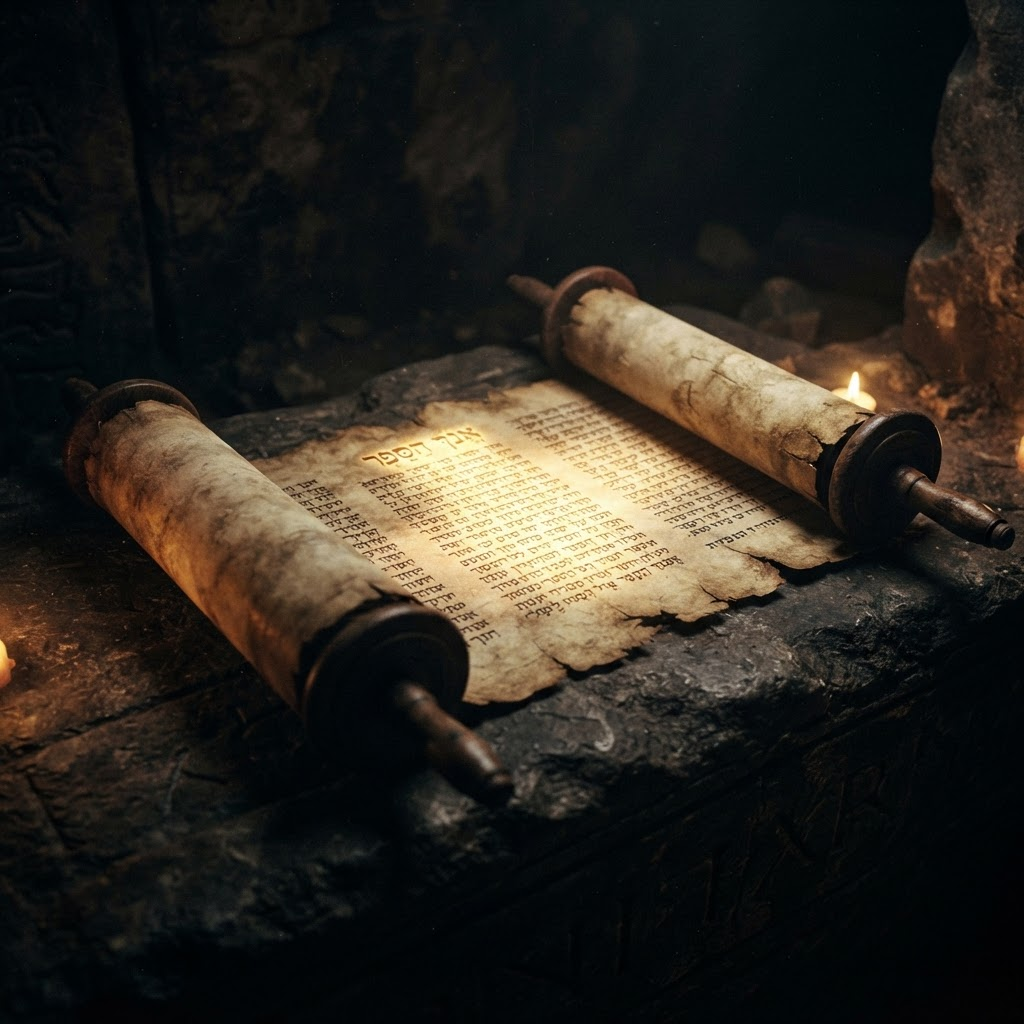
Image of God
Also known as: imago Dei
The image of God (imago Dei) is the likeness and likeness (tselem and demuth) that Genesis 1:26‑27 attributes to humanity, encompassing moral, functional, relational, and sometimes bodily aspects.
Image of God: The likeness to God that Genesis 1:26-27 says humans have, also called imago Dei in Latin.
Tselem: The Hebrew word for “image” in Genesis 1:26-27. It means a representation, such as a statue or figure.
Demuth: The Hebrew word for “likeness” in Genesis 1:26. It means resemblance or pattern.
## What Is the Image of God?
It is the likeness to God that Genesis 1:26-27 gives to humanity: “Let us make man in our image, after our likeness.” Genesis does not define the image. Readers have understood it as moral nature, reason, rule over creation, relationship, or a combination of these.
## The Hebrew
Tselem means a representation. It is used of statues and carved figures. Demuth means resemblance. Many scholars treat the two words as synonyms in Genesis 1, and the verse uses both for one idea. A few early writers, such as Irenaeus, separated them.
Genesis 1:26 also joins the image to rule: humans are to have dominion over fish, birds, cattle and the earth. In the ancient Near East, a king’s statue stood for the king in places he could not be. Several scholars read Genesis the same way, with humans as God’s representatives on earth. In Egypt and Mesopotamia only the king was called the image of a god. Genesis gives the title to all humans, male and female.
## Where the Image Appears
Genesis 1:26-27 states it. Genesis 5:1-3 repeats it for Adam and says Seth was born in Adam’s “likeness, after his image.” Genesis 9:6 gives it as the reason murder is forbidden. Psalm 8 praises human rank and rule. In the New Testament, James 3:9 says people are made “after the similitude of God,” and 1 Corinthians 11:7 calls man the image and glory of God.
The New Testament also calls Christ the image. Second Corinthians 4:4 and Colossians 1:15 use the word of him, and Hebrews 1:3 calls him the exact representation of God’s person. Romans 8:29 says believers are to be conformed to the image of the Son, and Colossians 3:10 speaks of being renewed after the image of the Creator.
## Main Views
Moral and rational. The image is reason, will, conscience and moral nature. This is the most common view in older theology.
Functional. The image is the task of ruling creation as God’s representative, as Genesis 1:26 links the image with dominion.
Relational. The image is the ability to relate to God and to others. Supporters point to Genesis 1:27, which ties the image to male and female.
Bodily. Some hold that the image includes a bodily resemblance. Others reject this because God is spirit (John 4:24).
Most scholars combine two or more of these. The text does not choose among them.
## What the Image Does Not Mean
It does not mean humans are made of God’s substance. Genesis 2:7 says Adam was formed from dust, and the breath of life is a gift. The image also survives the fall, since Genesis 9:6 and James 3:9 speak of it after sin entered the world.
## My View
I believe the image of God includes our moral nature, our spirit and soul, and our body. I read Genesis 2:7 and the New Testament teaching on Christ as the image as pointing to a bodily resemblance as also. I also hold that Jesus formed Adam, so the image we bear is his.
## Sources
Scripture quotations are from the King James Version.
Keywords: image of God, imago Dei, Genesis 1:26-27, tselem, demuth, likeness of God, made in God’s image
About the author: CK Quarterman is a USAF veteran, independent author and publisher at CKQbooks (ckqbooks.com). He develops the malaterrestrials concept in his nonfiction and writes fiction in the Watchers’ Universe and Sons of the Flood series. Truth · History · Scripture.
Topics
Scripture References
Sources
Biblical TextKing James Version
Keep researching. Don't miss what's uncovered next.
Get first access to new Encyclopedia entries, Timeline updates, Watchers, Nephilim, Giants, Demons, Deliverance, and UFO/UAP research, plus new books and releases from CKQBooks. Free. Takes ten seconds.