
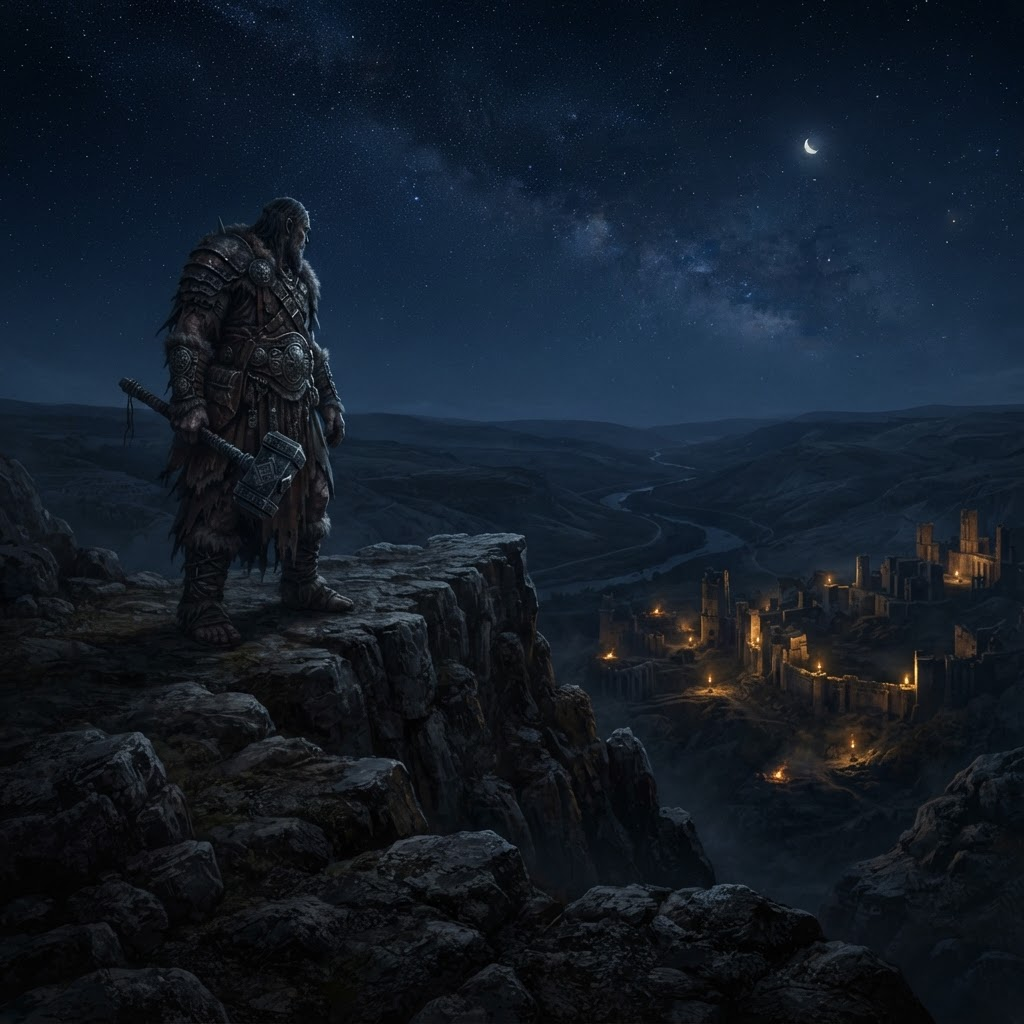
Rephaim
Also known as: the Rephaites, shades, Og’s people, Rāpi’ūma
An ancient people of giant stature east of the Jordan, of whom King Og of Bashan was the last remnant.
The Rephaim are named among the pre-Israelite peoples of the land (Genesis 15:20).
Og, king of Bashan, "remained of the remnant of the Rephaim," and his iron bedstead is recorded as a marvel in Deuteronomy 3:11.
The Valley of Rephaim near Jerusalem preserves the name.
Direct references to the Rephaim (Rāpi’ūma / 𐤓𐤐𐤀𐤉𐤌)—the deified ancestral spirits and royal shades—appear on cuneiform tablets discovered at Ugarit (a Northwest Semitic/Canaanite port city closely linked to Phoenician culture) and on later Phoenician sarcophagi inscriptions. Primary Historical References 1. The Ugaritic Liturgical Tablet (KTU 1.161 / RS 34.126) Discovered at Ras Shamra, this 12th-century BCE cuneiform text is a complete step-by-step liturgy for invoking the Rāpi’ūma during a royal funeral and coronation feast. The Incantation (Summoning the Shades): The high priest calls out to the ancestral spirits: "You are invoked, O Rāpi’ūma of the earth! You are summoned, O assembly of Didanu!... Invoked is Ammitamru the King, invoked also is Niqmaddu!" "You are invoked, O Rāpi’ūma of the earth! You are summoned, O assembly of Didanu!... Invoked is Ammitamru the King, invoked also is Niqmaddu!" The Descent and Offering: The ritual directs the living king to descend from his throne to sit on the ground, making offerings into a pit (arṣ / underworld threshold) while the table of the feast "weeps and swallows its tears." The Blessing: Once the shades are fed and appeased, they bestow peace (šlm) upon the new king, his dynasty, and the city. 2. The Rephaim Epic Tablets (KTU 1.20–1.22) A collection of three fragmentary tablets explicitly recording a multi-day ritual banquet hosted for the Rephaim: The Invitation: The Rephaim are invited to leave the underworld and travel for three days by chariot to reach the "threshing floor" and orchards. The 7-Day Banquet (Marzeah): Upon arrival, a 7-day feast takes place where wine is poured, animals are sacrificed, and the living and deified ancestors feast together to restore fertility to the land and grant progeny to the royal line. 3. Classical Phoenician Sarcophagi Inscriptions (6th–5th Century BCE) By the 1st millennium BCE, the term passed into royal Phoenician monumental inscriptions, warning grave robbers not to disturb the dead: Sarcophagus of King Tabnit of Sidon (KAI 13): "Do not open my sarcophagus... If you do open it, may you have no seed among the living under the sun, nor a resting place with the Rephaim (𐤓𐤐𐤀𐤌)." "Do not open my sarcophagus... If you do open it, may you have no seed among the living under the sun, nor a resting place with the Rephaim (𐤓𐤐𐤀𐤌)." Sarcophagus of King Eshmunazar II of Sidon (KAI 14): Uses the exact same legal curse to ensure the violator of the tomb is denied a place among the Rāpi'ūma in the netherworld. 4. The Hebrew Bible (Polemical References) The Old Testament references the Rephaim extensively, demonstrating that Israelite authors were fully aware of these Canaanite/Phoenician ancestor rituals and condemned them: As Netherworld Shades: Isaiah 14:9 ("Sheol beneath is stirred up to meet you, rousing the Rephaim to greet your coming...") and Psalm 88:10. As Banned Necromancy: Deuteronomy and Ezekiel frequently condemn the Marzeah funerary banquets and offerings made to dead spirits (Rephaim). Key Ritual Structure Revealed by the Texts The Libation Pit: Sacrifices (wine, animal blood, bread) were poured down into dedicated pits or channels in the tomb/temple floor to nourish the underworld shades. The Marzeah Association: The ritual took place during a Marzeah—a formal cultic drinking association where elite members held banquets in honor of deceased ancestors. Fertility & Legitimacy: Unlike European ghost traditions where spirits were feared, the Phoenicians and Canaanites viewed the Rephaim as benevolent "healers" (rp') whose presence ensured agricultural yield, rain, and political continuity. there are explicit primary historical texts. Direct references to the Rephaim (Rāpi’ūma / 𐤓𐤐𐤀𐤉𐤌)—the deified ancestral spirits and royal shades—appear on cuneiform tablets discovered at Ugarit (a Northwest Semitic/Canaanite port city closely linked to Phoenician culture) and on later Phoenician sarcophagi inscriptions.
Scripture References
Sources
Ancient SourceUgaritic Liturgical Tablet (KTU 1.161 / RS 34.126), Rephaim Epic Tablets (KTU 1.20–1.22), Classical Phoenician Sarcophagi Inscriptions (6th–5th Century BCE), The Old Testament references the Rephaim extensively, demonstrating that Israelite authors were fully aware of these Canaanite/Phoenician ancestor rituals and condemned them
Keep researching. Don't miss what's uncovered next.
Get first access to new Encyclopedia entries, Timeline updates, Watchers, Nephilim, Giants, Demons, Deliverance, and UFO/UAP research, plus new books and releases from CKQBooks. Free. Takes ten seconds.