
Nimrod
This page collects every published verse, encyclopedia entry, research article, book, blog post, and timeline event on CKQBooks tagged "Nimrod", along with closely related material from the wider Genesis 6 and the Bible topic group.
3 direct results and 19 related items.
Encyclopedia
- Nimrod
The mighty hunter "before the Lord" who founded Babel and the first kingdoms in the land of Shinar.
- The Tower of Babel
The tower built in the plain of Shinar whose construction ended in the confusion of languages and the scattering of the nations.
- The Ziggurat and the Second Incursion
The Ziggurat and the Second Incursion: the stepped temple tower of Babel in Shinar, built to lift a shrine toward heaven, and the place where the second incursion of fallen angels is understood to have begun.
Related from Genesis 6 and the Bible
Content tagged with a closely related topic in this group, rather than "Nimrod" directly.
Scripture
- Genesis 6:5
God's unassisted observation of human wickedness immediately before the Flood — the same pattern of divine omniscience the Watchers' oath narrative assumes.
- Genesis 6:4
There were giants in the earth in those days; and also after that, when the sons of God came in unto the daughters of men, and they bare children to them, the same became mighty men which were of old, men of renown.
Encyclopedia
- Hybrid Beings
Offspring of the union between the fallen and humanity — the conceptual heart of the Nephilim account and its modern echoes.
- Elioud
The third generation of giant hybrids in Second Temple Jewish literature, descended from the Watchers through the great giants and the Naphil.
- Semjaza
Semjaza: the leader of the two hundred Watchers in 1 Enoch, who organized the oath on Mount Hermon.
Research Library
- Who Were the Nephilim?
The Hebrew term and its two biblical appearances, the range of interpretations, and why the "fallen ones" reading has ancient support.
- How Long Did the Antediluvian World Really Last?
The Roman Empire stood for roughly a thousand years. The United States has existed for under two hundred fifty. The world before the Flood lasted sixteen hundred fifty-six years — an entire civilization too often reduced to a footnote before the "real" story begins.
Books
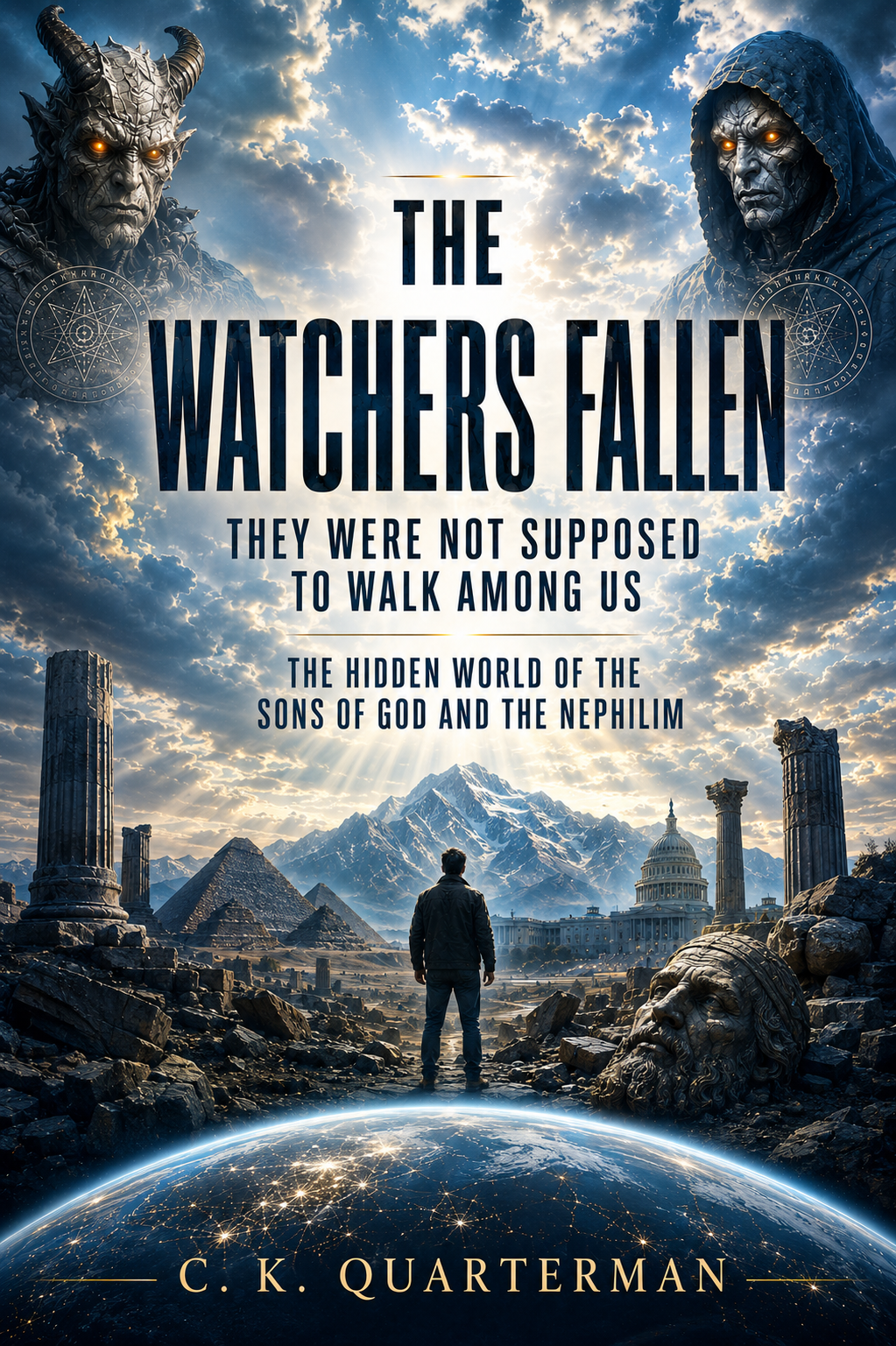
Blog
- For Such a Time as This
Why the questions people are asking about Genesis 6 and the days of Noah are surfacing right now — and why that matters.
- The Days of Noah and the Days to Come
Jesus compared the end of the age to the days of Noah. A closer look at what those days actually involved.
- What Were the Elioud? The Giant Race Behind Goliath
Explore the Elioud, the third‑generation giant hybrids of Second Temple literature, and how they likely explain the biblical giant Goliath of Gath.
- Did the Wives of the Fallen Watchers Become the Sirens of Greek Mythology?
A look at 1 Enoch 19:2, where the wives of the fallen Watchers are said to become “sirens,” and why that word points to ancient bird-women, not modern mermaids.
- Do the Watchers of 1 Enoch Have Anything to Do With UFOs and UAPs?
The article examines whether the biblical Watchers described in 1 Enoch are linked to modern UFO/UAP phenomena, summarizing Will Blesch’s arguments and offering a Christian perspective.
- Why Jesus's Teaching on Angels and Marriage Comes Straight from the Book of Enoch
The article explains how Jesus’ reference to angels not marrying draws directly from the Book of Enoch, revealing early Jewish teachings about the Watchers and Nephilim.
- Is Enoch Scripture? What Jude and Peter Actually Believed
Enoch isn't part of the biblical canon, but Jude quotes it by name as prophecy and Peter borrows its vocabulary directly. Here's what that means.
- Why Did God Hide the Location of Moses's Grave?
Jude records a dispute between Michael and Satan over Moses's body, while Deuteronomy hides his grave from Israel entirely — a look at what Scripture says and why the location may have needed to stay hidden.
- What Does Babel Mean? The Root Meaning of Babylon and Babel
This post traces the word Babel back to its Akkadian and Hebrew roots, and explains why Genesis reinterprets Babylon's own name as an act of judgment.
- How Did Giants Survive the Flood?
If the Flood judged the Nephilim, why do the Anakim and Rephaim appear afterward? Three explanations, weighed.